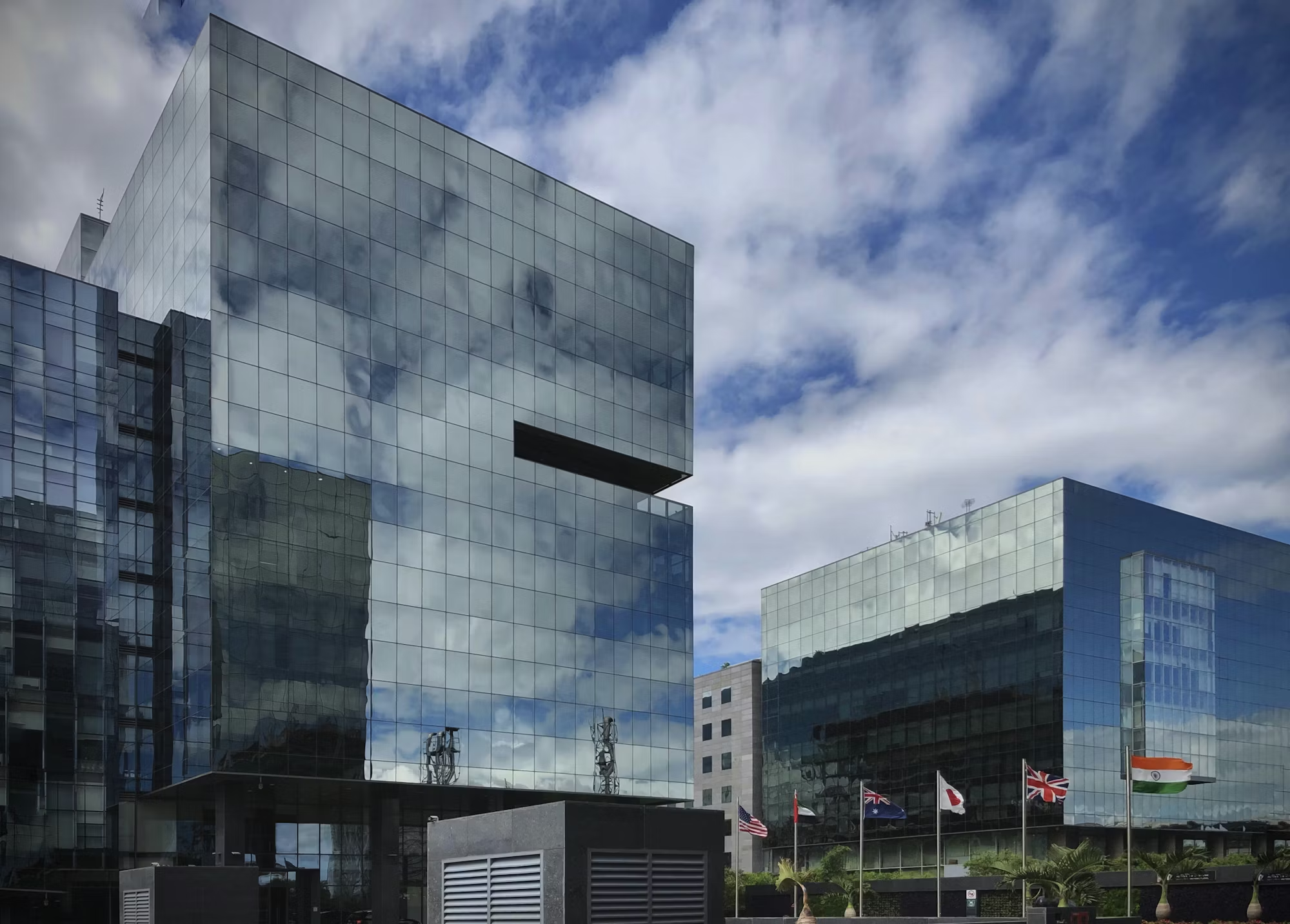
As urbanization continues to reshape city landscapes around the globe, skyscrapers have emerged as both symbols of economic power and practical solutions for housing the growing population. These towering structures serve not only as architectural feats but also as crucial components of urban finance, impacting everything from property values to local economies. In this article, we will explore the various types of skyscrapers and how they contribute to the financial ecosystem of modern cities. Commercial skyscrapers, primarily designed for office spaces, are often at the heart of urban finance. They house a multitude of businesses, from startups to multinational corporations, and play a significant role in the local job market. By attracting firms to city centers, these buildings help stimulate economic activity and generate tax revenue for local governments. The financial implications of commercial skyscrapers extend beyond mere occupancy; they influence real estate trends, office rental rates, and even the overall economic health of a city. As demand for office space evolves with remote work trends, many commercial skyscrapers are adapting to accommodate flexible workspaces and co-working environments, ensuring their relevance in a changing market. In contrast, residential skyscrapers cater to the increasing demand for urban living. With populations growing in metropolitan areas, these buildings provide high-density housing solutions, often equipped with modern amenities that appeal to urban dwellers. Luxury high-rises and mixed-use residential developments not only offer a place to live but also contribute significantly to local economies through retail spaces and services. Investors are increasingly drawn to residential skyscrapers due to their potential for steady rental income and appreciation in value, especially in desirable urban locations. This shift towards vertical living has also prompted discussions about affordability and sustainable urban development, as cities strive to balance growth with the need for accessible housing. Hotel skyscrapers represent another important sector within urban finance. These structures, designed to accommodate travelers, contribute to the tourism industry and enhance a city’s global profile. By offering a range of services from accommodation to dining and conference facilities, hotel skyscrapers create jobs and stimulate economic activity. Their financial success often hinges on factors such as location, branding, and the quality of amenities provided. In cities with a strong tourism appeal, hotel skyscrapers can command premium rates, further enhancing their profitability. Mixed-use skyscrapers take the concept of urban integration a step further by combining residential, commercial, and recreational spaces within a single structure. This design approach maximizes land use while fostering a sense of community. Such developments often attract diverse tenants, from residents to retailers, creating vibrant environments that enhance the urban experience. Financially, mixed-use skyscrapers present unique opportunities for investors, as they generate multiple income streams from various sources. Their ability to provide diverse services can lead to more stable revenue and reduced risk compared to single-use properties. Iconic landmark skyscrapers hold a special place in the financial landscape of cities. Often designed by renowned architects, these structures become symbols of their respective cities, attracting tourists and businesses alike. The presence of an iconic skyscraper can significantly elevate the value of surrounding properties, spurring investment and redevelopment in the area. The cultural significance and visibility of these buildings can lead to higher leasing rates, as businesses seek to associate themselves with such prestigious addresses. In recent years, the trend towards sustainability has given rise to green skyscrapers, which prioritize energy efficiency and environmentally friendly practices. These buildings appeal to a growing demographic of environmentally conscious consumers and investors. By reducing operational costs through sustainable design, green skyscrapers can enhance their profitability while contributing to the overall health of the urban environment. The financial advantages of sustainable buildings often include tax incentives and grants, further boosting their attractiveness to developers and investors. Observation skyscrapers serve as popular tourist attractions, providing panoramic views of city landscapes. These structures not only generate revenue through ticket sales but also contribute to the local economy by attracting visitors who spend on retail and dining in the vicinity. The financial impact of observation skyscrapers extends beyond direct income, as they help promote the city as a destination, encouraging further tourism-related investments. Historic skyscrapers, with their architectural significance, can also provide unique financial opportunities. These buildings often require renovations that can increase their market value and make them desirable for businesses and events. The charm and history associated with these structures can attract both tourists and investors, creating a niche market that capitalizes on the heritage tourism trend. Supertall skyscrapers, which rise above 300 meters, present both challenges and opportunities in urban finance. Their construction demands advanced engineering and substantial investment, often making them high-profile projects that can redefine a city’s skyline. The financial implications of these towering structures extend beyond their construction costs; they can attract global attention, drawing in international businesses and investors looking for prime locations. Additionally, the prestige associated with supertall skyscrapers can lead to elevated property values in the surrounding area, making them catalysts for economic growth. Skybridges and linked skyscrapers provide innovative solutions for urban connectivity, enhancing pedestrian access between structures. This design fosters a more integrated urban environment, encouraging foot traffic and boosting the local economy. From a financial perspective, such designs can lead to increased commercial activity and elevate property values. As cities continue to evolve, the importance of skyscrapers in the urban finance landscape cannot be overstated. These vertical structures play critical roles in accommodating growing populations, generating economic activity, and attracting investment. By understanding the various types of skyscrapers and their financial implications, stakeholders can make informed decisions that contribute to sustainable urban development and economic prosperity. In conclusion, skyscrapers represent much more than just vertical edifices; they are integral to the financial fabric of modern cities. As urban areas grapple with challenges of growth and sustainability, the innovative designs and diverse functionalities of skyscrapers will continue to shape the future of urban finance, creating opportunities for investors, businesses, and communities alike.
Skyscrapers and the Future of Urban Finance

Categories:
Related Post

Mastering the Art of Personal Finance: A Roadmap to SuccessMastering the Art of Personal Finance: A Roadmap to Success
An insightful guide to understanding personal finance, covering budgeting, saving, investing, and pl
Harnessing Innovation: Strategies for Success in the Tech IndustryHarnessing Innovation: Strategies for Success in the Tech Industry
This article delves into key strategies for thriving in the tech industry, emphasizing innovation, a

Navigating the World of Cryptocurrency: Opportunities and ChallengesNavigating the World of Cryptocurrency: Opportunities and Challenges
This article explores the rise of cryptocurrency, its benefits, the risks involved, and how to navig